
The service
From offload to final position
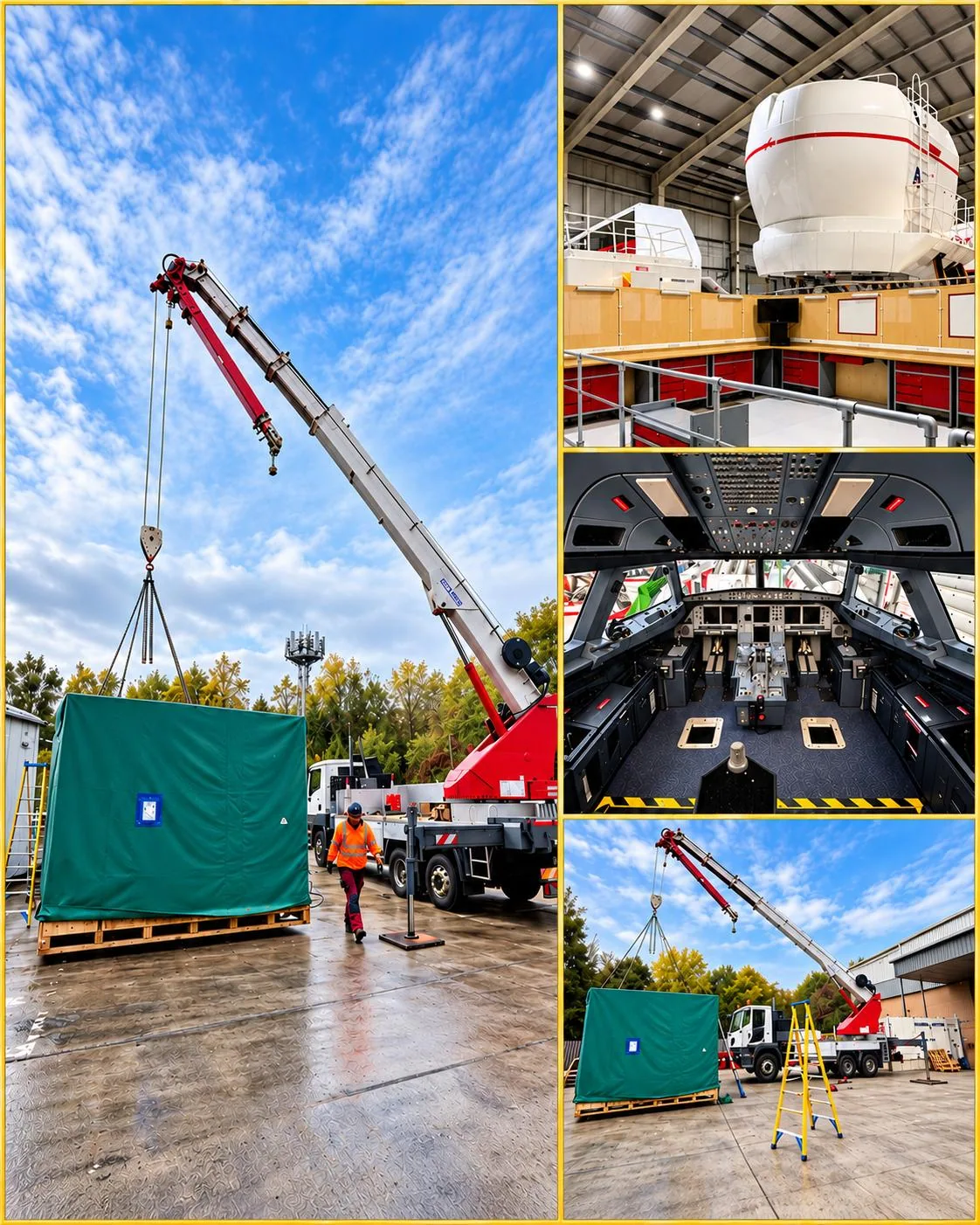
A crane may be able to unload a machine outside while its final position is several bays inside the factory. We agree where the crane will hand over the machine and how the handling team will take it through the building. Ask us about tracked carriers or compact cranes where access is tight.
Help us assess the route
Send the equipment dimensions and weight, the delivery vehicle details and photographs from the entrance to the installation point. Mark tight turns, door widths and changes in floor level. Tell us when production needs to keep running. We’ll discuss the equipment and scope with your installation team.
Factory relocations and machinery moves
Send the collection and delivery postcodes, machine weights and dimensions, and the dates you have available. For moves within the same building, a marked-up floor plan is a good starting point. If you have arranged the equipment and need a crew to move the machinery, enquire about a lift and shift team.
Moving between premises
Start with a machine list for each building. We agree the lifting sequence for loading at the old factory, offloading at the new one and placing each machine in its bay. Tell us who will arrange haulage and who will disconnect and reconnect each machine so we can agree the handovers.
Factory Relocation QuoteMoving a production line
If a line is moving in stages, tell us which machines must come out first and which bays need to reopen first. We can plan the lifts around your shutdown window and agree handover times with your production and installation teams.
Production Line Move QuoteMoving machinery within a factory
Even if a machine is moving just one bay, a tight turn, low doorway or change in floor level can determine the route. Share the factory layout and the new position so we can assess the move and whether a tracked carrier or compact crane is suitable.
Internal Machinery Move QuoteThe handover from crane to carrier
For factory relocations, mark where the crane will lower the machine and where the internal handling team takes over. The route assessment includes floor or slab information, door openings, changes in level and the space needed to receive the machine at its final position.
Load Routes & Exclusion Zones